

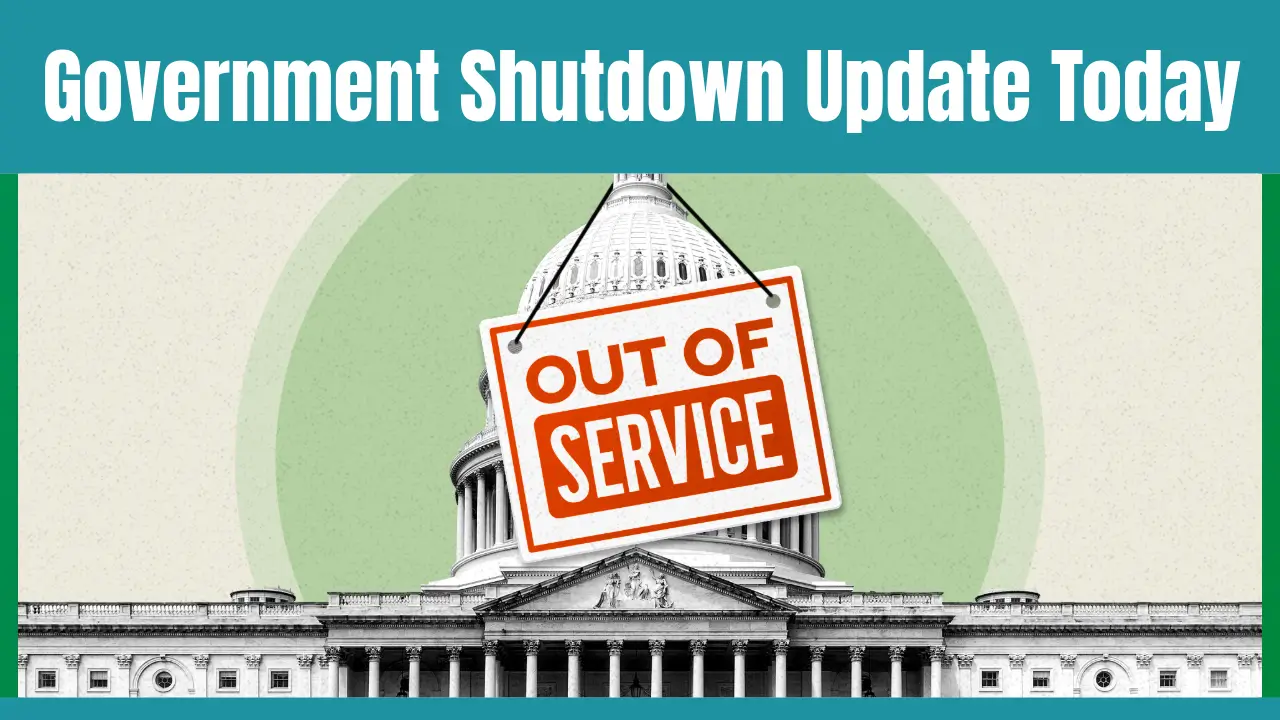
The Government Shutdown Update Today shows that a partial shutdown affecting only the Department of Homeland Security began on February 14, 2026, when the continuing resolution that kept DHS funded expired. While most other federal agencies remain funded through September 30, 2026, DHS employees and contractors have been working without pay or have been furloughed, depending on their excepted status. The shutdown stems from a congressional stalemate over reforms to immigration enforcement after a series of fatal shootings by federal agents, a dispute that has prevented passage of a full‑year appropriations package.
Background of the Shutdown
Congress approved a two‑week continuing resolution for DHS on January 29, 2026, to allow time for negotiations on immigration policy. That resolution lapsed on February 13, and despite repeated attempts, the House and Senate have not agreed on a new funding measure. The Senate passed a bipartisan spending deal on January 30, but the House delayed consideration until its return from recess, pushing any vote to at least March 24. Because the House was on recess from March 12 to approximately March 21, no legislative action could occur until today.
Current Status and Impact
As of March 24, 2026, the DHS shutdown has lasted 38 days, already exceeding the 35‑day partial‑shutdown record set in 2018‑2019. Essential DHS functions—such as airport security, customs enforcement, and immigration detention—continue, but many non‑essential employees remain furloughed. Reports indicate that Transportation Security Administration (TSA) resignations have risen, with over 366 officers leaving the service and call‑out rates peaking near 10 % in late March. Flight cancellations and delays have also increased, affecting travelers nationwide.
Legislative Outlook
House leadership has signaled that the chamber will consider the Senate‑passed funding package as soon as it reconvenes, with the earliest possible floor action set for today. A discharge petition filed in the House to force a vote on a clean continuing resolution has gathered signatures but still needs 218 to succeed. If the House approves the Senate bill and President Donald Trump signs it, funding for DHS would resume, ending the partial shutdown. Otherwise, the lapse could persist until after the Senate’s Easter recess begins on April 13, potentially extending the shutdown to 60 days or more.
Effects on Federal Employees and Services
Federal workers in DHS face a choice between working without immediate pay or being placed on furlough, depending on whether their role is deemed excepted. Excepted employees must report to duty but receive pay only after Congress approves new funding, while furloughed workers are prohibited from performing any government work during the lapse. The shutdown also impacts services such as visa processing, coastal protection, and cybersecurity monitoring, which operate with reduced staff or delayed responses. Contractors supporting DHS missions have reported payment delays, creating ripple effects in the private sector that supplies equipment and technology to the department.
What Happens Next
If Congress passes a funding bill today, the shutdown will end immediately, and agencies will resume normal operations once the appropriation is signed into law. If lawmakers fail to act, the shutdown will continue, and the next major deadline is the Senate Easter recess on April 13, after which no further floor action can occur until late April. Observers note that a prolonged DHS‑only shutdown would surpass the longest partial shutdown in modern history and could prompt additional legislative pressure to resolve the immigration‑funding impasse.