

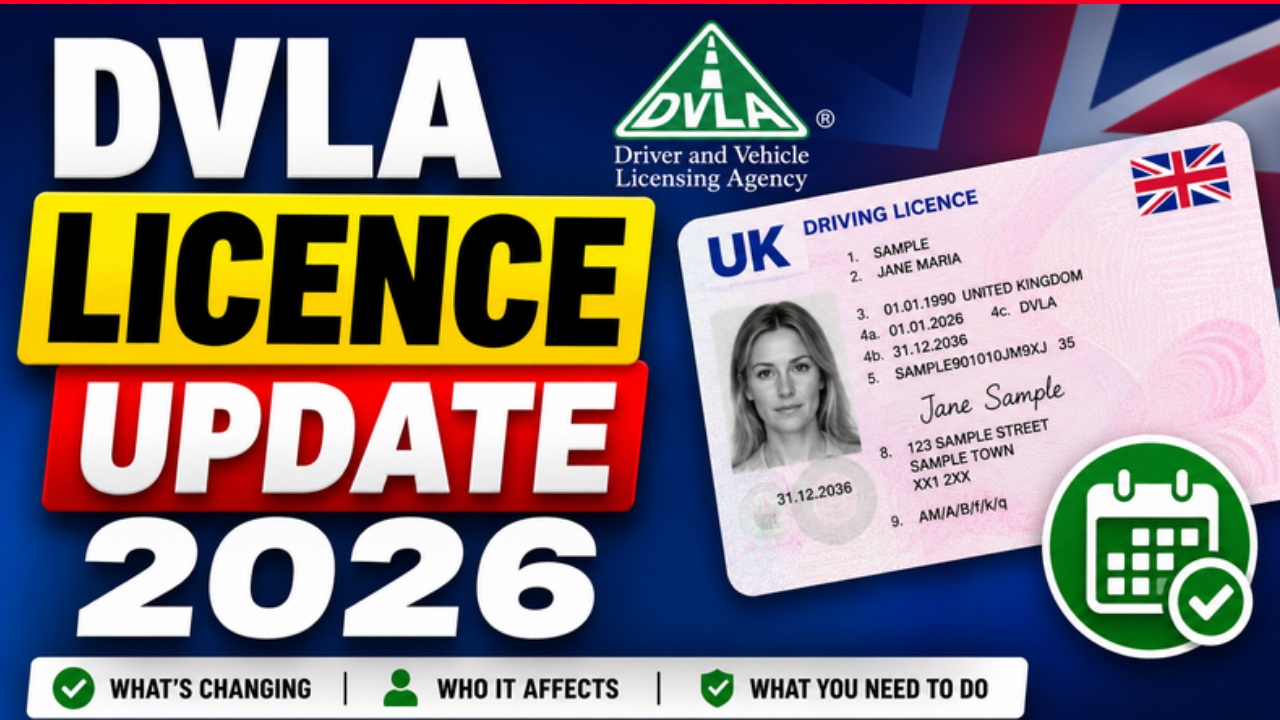
If you’re over State Pension age and still driving, there is an important DVLA update that deserves your attention in 2026.
Across the UK, thousands of older motorists are being reminded to check the information on their driving licence and ensure that all personal details remain accurate and up to date. While it may sound like a routine administrative task, failing to update certain details could potentially lead to fines, delays, or complications when renewing a licence.
Many pensioners assume that once they have renewed their licence at 70, there is little else they need to worry about. However, recent reminders from driving authorities and motoring experts suggest that keeping licence records current is more important than ever.
In this article, we’ll explain why older drivers are being urged to review their licence details, what information should be checked, and what could happen if mistakes are left uncorrected.
Why Pensioners Are Being Asked to Check Their Licence Details
For many people, a driving licence is something that sits quietly in a wallet for years without a second thought.
However, circumstances can change over time. Addresses change, names may change, medical conditions can develop, and licence renewal dates can easily be forgotten.
As more public services become digitised, accurate records are becoming increasingly important. If the information held by the DVLA does not match your current circumstances, it can create unnecessary problems when dealing with licence renewals, vehicle registrations, or other driving-related matters.
Older motorists are particularly affected because they must renew their driving licence more frequently after reaching the age of 70.
The Rule Many Drivers Forget After Turning 70
One of the biggest surprises for some pensioners is that a driving licence does not last indefinitely after age 70.
Once a motorist reaches their 70th birthday, they are required to renew their licence. After that, renewal is generally required every three years to maintain legal driving entitlement.
The renewal process itself is usually straightforward and, in most cases, free of charge.
However, problems can arise if the DVLA’s records contain outdated information.
Even something as simple as an old address could mean important correspondence never reaches the licence holder.
Details Every Pensioner Should Double-Check
Experts recommend reviewing the following information carefully:
1. Current Home Address
This is perhaps the most important detail to verify.
If you have moved house recently and failed to update your licence, the DVLA may still be sending correspondence to an old address.
Many people are unaware that driving licences must display the holder’s current address.
2. Name Information
If your legal name has changed due to marriage, divorce, or any other reason, your licence should reflect that change.
Keeping identification documents consistent can help avoid administrative issues later.
3. Licence Expiry and Renewal Dates
Many drivers mistakenly assume they will receive reminders and therefore do not monitor renewal dates themselves.
Checking your licence periodically can help ensure you do not accidentally miss a renewal deadline.
4. Medical Information
Certain medical conditions must be declared to the DVLA if they could affect driving ability.
Health circumstances can change significantly during retirement years, making this an important area to review regularly.
What Happens If Information Is Incorrect?
The consequences vary depending on the issue involved.
In some situations, outdated information may simply delay communications from the DVLA.
In other cases, drivers could face penalties for failing to keep their records updated.
Incorrect details can also complicate matters when:
- Renewing a driving licence
- Updating vehicle documents
- Purchasing vehicle insurance
- Verifying identity
- Handling driving-related enquiries
For many pensioners, these problems can be avoided entirely through a quick review of licence information.
Why 2026 Is Seeing Increased Attention
The UK’s driving population continues to age, with millions of motorists now driving well into retirement.
Many remain active drivers throughout their seventies and beyond, relying on their vehicles for shopping, healthcare appointments, social activities, and family commitments.
As a result, there has been growing emphasis on ensuring older drivers remain aware of their responsibilities regarding licence renewals and record accuracy.
Motoring organisations have repeatedly highlighted the importance of checking licence details before problems arise.
The message is simple: prevention is easier than correction.
Common Mistakes Older Drivers Make
After speaking with retired drivers and reading countless discussions in motoring forums, a few common patterns appear repeatedly.
Assuming Everything Updates Automatically
One of the biggest misconceptions is that government records automatically update when other organisations receive new information.
In reality, drivers are generally responsible for notifying the relevant authorities when details change.
Forgetting About Three-Year Renewals
Many pensioners remember renewing at age 70 but later lose track of subsequent renewal dates.
Years can pass surprisingly quickly, especially during retirement.
Ignoring Small Errors
Some drivers notice minor mistakes but postpone correcting them because they seem insignificant.
Unfortunately, even small discrepancies can cause issues later.
How to Check Your Licence Information
Reviewing your licence takes only a few minutes.
Take out your photocard licence and examine:
- Your name
- Home address
- Expiry dates
- Photograph validity
- Licence categories
If anything appears incorrect or outdated, it is worth taking action sooner rather than later.
The sooner an error is identified, the easier it usually is to resolve.
A Growing Number of Older Drivers on UK Roads
Recent years have seen a significant rise in the number of drivers aged 70 and above.
Many pensioners today are healthier, more active, and remain independent for longer than previous generations.
Driving plays a major role in maintaining that independence.
Whether it’s visiting family, attending appointments, enjoying holidays, or simply running everyday errands, having a valid and accurate driving licence remains essential.
That is why experts are encouraging older motorists not to overlook what may seem like a routine administrative task.
Final Thoughts
The 2026 DVLA licence reminder may not sound dramatic, but it could save thousands of pensioners from unnecessary inconvenience.
Checking your licence details only takes a few minutes, yet it can help ensure that important communications, renewals, and driving records remain accurate.
For pensioners who have not reviewed their licence information recently, now may be a good time to take a closer look.
A quick check today could prevent a much bigger headache tomorrow.