

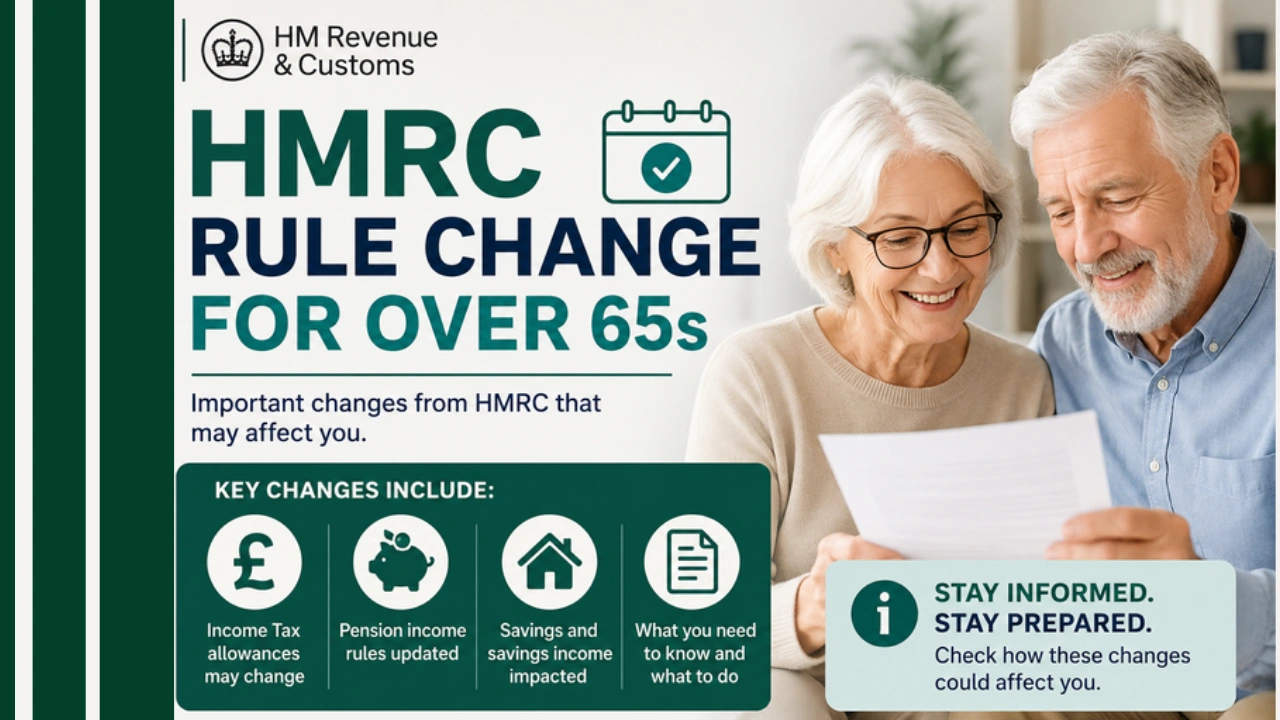
If you’re over 65 and haven’t checked your tax status recently, there’s a good chance you’re leaving money on the table — and HMRC isn’t exactly rushing to tell you about it.
Thousands of older adults in the UK are unknowingly overpaying tax every year, simply because they don’t realise the rules have changed, or they’ve never been told they qualify for an exemption in the first place. The system isn’t designed to be easy to navigate, but once you know what to look for, it gets a lot simpler.
What’s Actually Changed?
HMRC has updated how it assesses tax obligations for people aged 65 and over, particularly around State Pension income, savings interest, and low-income thresholds. One of the most significant — and least talked about — changes involves the Personal Allowance and how it interacts with pension income.
Your Personal Allowance is the amount you can earn before paying any income tax at all. For most people, it sits at £12,570. But here’s where it gets interesting: if your total income (including your State Pension) falls below this threshold, you legally owe nothing — not a penny. Many over-65s with modest incomes are still paying tax through PAYE or having it deducted from savings, completely unnecessarily.
The Marriage Allowance Loophole Nobody Talks About
Married couples and civil partners have access to something called the Marriage Allowance, which lets the lower-earning partner transfer up to £1,260 of their unused Personal Allowance to their spouse. If one of you earns below the tax threshold and the other pays basic rate tax, you could reduce your combined tax bill by up to £252 a year.
What surprises most people? You can backdate the claim up to four tax years. That’s potentially over £1,000 back in your pocket — money HMRC holds until you ask for it.
Savings and the Starting Rate Band
Here’s another one that flies under the radar. If your non-savings income (like your pension) is low enough, you may qualify for the £5,000 Starting Rate for Savings. This means up to £5,000 of savings interest could be completely tax-free, on top of your usual £500 Personal Savings Allowance.
Banks and building societies often deduct tax at source, so even if you qualify for this exemption, you might already have had money taken. The fix? Fill in form R40 to reclaim it directly from HMRC.
How to Check If You’re Eligible
It doesn’t require an accountant. Here’s what to do:
- Add up all your annual income — State Pension, private pension, part-time work, rental income, savings interest
- Compare the total against your Personal Allowance (currently £12,570)
- If you’re below it, contact HMRC directly or use the GOV.UK tax checker tool
- Check your tax code — if it says anything other than 1257L, it may be worth querying
Don’t Wait for HMRC to Come to You
The hard truth is that HMRC operates on a self-assessment model — meaning it’s largely your responsibility to claim what you’re owed. They won’t automatically flag that you’re overpaying. Older adults who’ve never needed to think much about tax often miss out for years, simply through lack of awareness.
If you’re over 65, retired or semi-retired, and haven’t reviewed your tax position in the last couple of years, now is genuinely the right time to do it. A 20-minute check could mean a surprisingly decent refund — and lower bills going forward.