

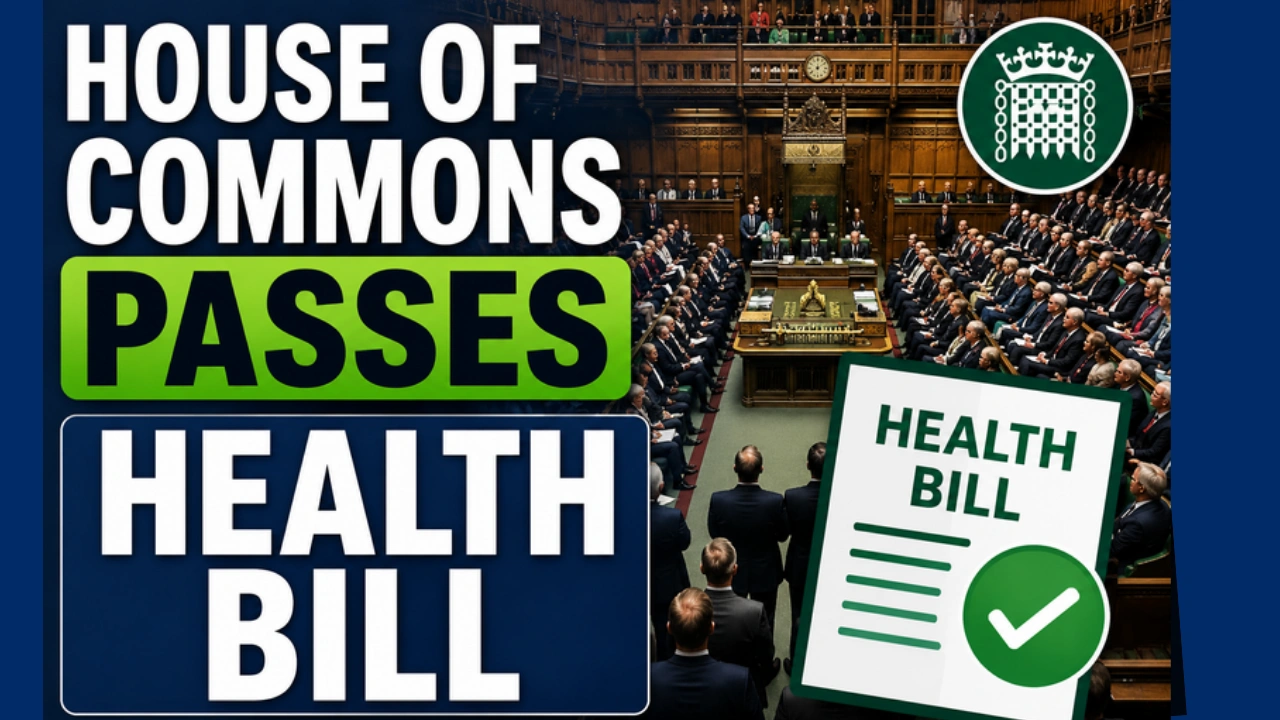
It’s been a landmark week in Westminster. The House of Commons has passed a sweeping new Health Bill, and for millions of older adults across the United Kingdom, the ripple effects could be felt for decades to come. From GP access to social care funding, this legislation touches nearly every corner of senior life in Britain.
Here’s what you need to know — and what changes you should prepare for.
The Big Picture
The Health Bill represents one of the most significant overhauls of the NHS and social care system in recent memory. Backed by the government as a long-overdue response to rising demand and an ageing population, the Bill passed through the Commons after weeks of heated debate, amendments, and cross-party negotiation. Supporters are calling it a lifeline for overstretched services. Critics argue it doesn’t go far enough. But either way, for seniors, the changes are real — and they’re coming soon.
Faster GP Access for Over-65s
One of the headline pledges buried inside the Bill is a guaranteed appointment standard for older patients. Under the new framework, NHS GP surgeries will be required to offer face-to-face or telephone appointments to patients over 65 within a set number of working days. For anyone who has spent frustrating mornings trying to get through on a phone line, this is significant. The government says the measure directly addresses one of the top complaints from elderly patients and their families.
Social Care — Finally Getting Attention
For years, social care has been described as the “forgotten sibling” of the NHS. The new Bill introduces a revised funding framework for adult social care in England, with additional ring-fenced money directed toward home-based care packages. This is particularly meaningful for seniors who wish to remain in their own homes rather than move into residential care. Local authorities will receive updated guidance on assessment timelines, meaning fewer elderly people should face long waits to find out what support they qualify for.
Hospital Discharge Reform
Delayed hospital discharge — where elderly patients are medically fit to leave but have nowhere safe to go — has been a persistent crisis in the NHS. The Bill introduces new duties on local councils and NHS trusts to coordinate discharge planning far earlier in a patient’s hospital stay. For seniors and their families, this should mean less time stuck in a hospital bed waiting for a care package to be arranged, and a smoother transition back home or into a care setting.
Mental Health Provisions for Older Adults
The Bill also strengthens mental health protections specifically for older patients, including those living with dementia. New standards will require NHS trusts to have dedicated dementia care pathways, and care homes will face updated inspection criteria focused on mental health support. Campaigners from Age UK and the Alzheimer’s Society have broadly welcomed this section, though both organisations have called for stronger enforcement mechanisms.
What Stays the Same — For Now
It’s worth being clear about what the Bill doesn’t change. The State Pension, Pension Credit, and Winter Fuel Payment remain outside the scope of this legislation entirely — those are Treasury matters, not Health Bill territory. NHS prescription charges for over-60s also remain unaffected. The Bill is firmly focused on healthcare delivery and social care structure rather than benefits or pension policy.
What Seniors Should Do Now
The Bill still needs to pass through the House of Lords before receiving Royal Assent, so full implementation is likely to be phased in over the next 12 to 24 months. In the meantime, here’s how seniors and their families can prepare:
- Register with a GP if you or a loved one isn’t already on a practice list — new access standards will only apply to registered patients
- Request a social care needs assessment from your local council if you’ve been waiting — new timelines mean assessments should move faster
- Talk to your family about hospital discharge preferences so plans can be made well before any emergency arises
- Stay updated through NHS.uk and Age UK, both of which will publish plain-English guidance as the Bill moves through Parliament
A Step Forward, But Eyes Open
Nobody is pretending this Bill solves everything. The NHS is under enormous pressure, the social care workforce is stretched thin, and funding gaps remain real. But for the UK’s senior population — now over 12 million people aged 65 and above — this legislation signals that the conversation has shifted. The needs of older adults are no longer a footnote in health policy. They’re front and centre.