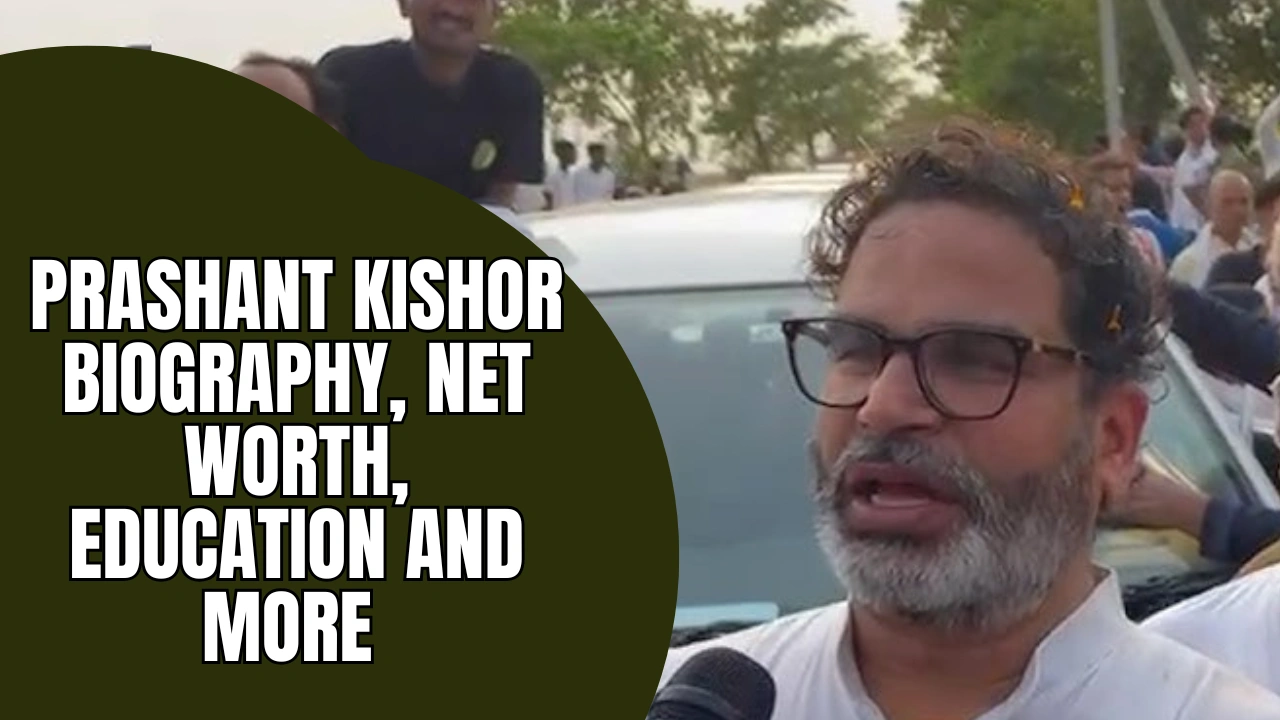
Prashant Kishor, born on March 20, 1977, in Konar village, Rohtas district, Bihar, is an Indian politician, founder of the Jan Suraaj Party, and former political strategist colloquially known as “PK”. He revolutionized Indian election campaigning through data-driven strategies and worked with major political parties including BJP, INC, JD(U), AAP, YSRCP, DMK, and TMC before transitioning into active politics. Known as a “kingmaker” who helped secure victory for six chief ministers within six years, he launched his own political party in Bihar in 2024 and contested the 2025 Bihar Legislative Assembly election.
Prashant Kishor Early Life and Family Background
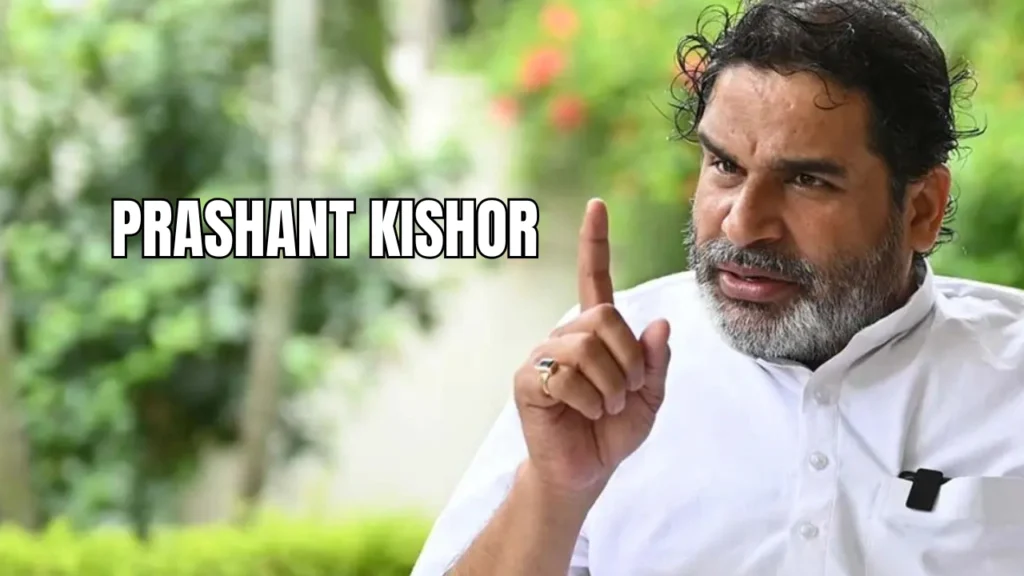
Prashant Kishor was born on March 20, 1977, in Konar village in Rohtas district of Bihar. He grew up in a Bihar-based family with roots in the state’s rural areas. Specific details about his parents and siblings are not extensively documented in available sources.
His early life in Bihar exposed him to the socio-economic challenges facing the state, experiences that would later influence his political ideology. Kishor’s upbringing in rural Bihar provided him with firsthand knowledge of governance issues and development challenges.
Education
Prashant Kishor pursued engineering as his undergraduate degree. After completing his engineering education, he specialized in public health, a field that would define his early professional career. His educational background combined technical training with public policy expertise.
The specific institutions where Kishor completed his engineering and public health studies are not publicly disclosed in detail. His education in public health prepared him for his subsequent work with international development organizations.
Early Career with United Nations
Before entering politics, Prashant Kishor worked with the United Nations in a public health capacity for eight years. His tenure included postings in India and Africa, with significant time spent in the Republic of Chad where he served as a Division Head. He also worked on UN-funded programs in Andhra Pradesh and Bihar, as well as at UN headquarters.
During his UN career, Kishor gained crucial experience in planning, program management, and community engagement to improve health systems. His work focused on data-driven public welfare initiatives. He contributed to research highlighting malnutrition issues in high-growth Indian states, work that would later catch the attention of Narendra Modi.
This background in data analysis, project management, and public policy provided the foundation for his later success as a political strategist. His systematic approach to problem-solving developed during his UN years would become his trademark in election campaigns.
Entry into Political Strategy
Prashant Kishor’s foray into political strategy began with the 2012 Gujarat Assembly elections, where he worked on Narendra Modi’s successful campaign for a third term as Chief Minister. His data-driven approach and development-focused messaging contributed to Modi’s victory. This debut campaign established Kishor as an innovative strategist who could deliver electoral results.
His most significant breakthrough came during the 2014 Lok Sabha elections when he co-founded Citizens for Accountable Governance (CAG) to help the BJP secure a decisive mandate. Kishor served as chief strategist for Modi’s Prime Ministerial campaign, introducing revolutionary techniques including extensive use of data analytics and social media. His team designed innovative programs such as “Chai Pe Charcha,” 3D rallies, “Run for Unity,” “Manthan,” and various social media campaigns to connect with voters.
The 2014 campaign transformed Indian electioneering from charisma-based to analytics-based, establishing Kishor’s reputation as India’s most influential election strategist. Following this success, he founded the Indian Political Action Committee (I-PAC) to offer professional campaign management services to political parties.
Major Campaign Successes
In 2015, Kishor forged an unlikely alliance between the Rashtriya Janata Dal (RJD), Janata Dal (United), and Congress in Bihar, creating the Mahagathbandhan (Grand Alliance). This coalition delivered victory with Nitish Kumar leading the government until 2017 when JD(U) ended the alliance and joined hands with the BJP. The Bihar success demonstrated Kishor’s ability to work across party lines and craft winning strategies for diverse political formations.
However, not all campaigns succeeded. In 2016, Congress hired Kishor for the 2017 Uttar Pradesh Assembly election, which resulted in the party’s defeat—Kishor’s first major electoral debacle. Despite this setback, he continued working with multiple parties through I-PAC.
Between 2017 and 2021, Kishor achieved significant victories helping YS Jagan Mohan Reddy’s YSRCP win Andhra Pradesh in 2019 and the Aam Aadmi Party (AAP) win Delhi in 2020. In 2021, he worked with the Trinamool Congress (TMC) in West Bengal and the Dravida Munnetra Kazhagam (DMK) in Tamil Nadu, securing assembly election victories in both states with strong majorities. These high-profile successes cemented his reputation as a kingmaker in Indian politics.
Association with Janata Dal (United)
In 2018, Prashant Kishor took a political plunge by joining Nitish Kumar’s JD(U) party. He was appointed the party’s vice president, marking his first formal entry into a political organization. This move suggested Kishor’s interest in transitioning from strategist to active politician.
However, his association with JD(U) ended in 2020 when Nitish Kumar expelled him from the party. The party made its position clear, stating that “party’s decisions, discipline and loyalty for the leadership is the fundamental requirement”. This expulsion highlighted the tensions that can arise when independent-minded strategists join traditional party structures.
Strategic Innovations
Prashant Kishor revolutionized Indian political campaigning by introducing several innovations. He pioneered micro-targeting of voters using data analysis, integrating fieldwork with social media campaigns, and establishing grassroots feedback mechanisms. His “Chai Pe Charcha” and “Talk to AK” programs created direct voter engagement opportunities that bypassed traditional media.
His approach shifted Indian politics from superficial slogans to data-driven strategy with measurable targets. Kishor created bridges between grassroots realities and high-level political messaging, ensuring campaigns addressed ground-level issues. This methodology transformed how political parties conduct elections across India.
His strategic philosophy emphasized citizen-centric governance as the foundation for development. Rather than personality-based campaigns, Kishor advocated for issue-based politics rooted in data and public feedback. These principles would later shape his own political venture.
Transition to Active Politics
After announcing plans to take a break from election strategy in 2021, Kishor began working toward launching his own political movement. In 2024, he announced plans to start a political party focused on “Jan Suraaj” or “people’s good governance” in Bihar. He embarked on a 3,000-kilometer padyatra (foot march) across Bihar called the “Jan Suraaj Padyatra” to connect directly with citizens.
The Jan Suraaj Party was officially launched in 2024 with Kishor as its founder. His political platform emphasized citizen-led politics where decisions emerge from people’s needs rather than party hierarchies. Since launching the party, Kishor has been critical of the ruling NDA government and Bihar Chief Minister Nitish Kumar, promising to spearhead change in the state.
Kishor’s Jan Suraaj Party contested the 2025 Bihar Legislative Assembly election. However, the party failed to win any seats, representing a setback for his political ambitions. The election result demonstrated the challenges faced by new political start-ups in India’s established party system.
Prashant Kishor Personal Life
Prashant Kishor is married to Dr. Jahnavi Das. Specific details about their marriage date, children, and family life are not extensively documented in public sources. Kishor maintains relative privacy regarding his personal affairs.
His professional life has been characterized by frequent travel and intense work schedules associated with managing multiple election campaigns simultaneously. Despite his high-profile political work, he keeps his family life largely out of the public spotlight.
Prashant Kishor Net Worth
Prashant Kishor’s exact net worth is not publicly disclosed. As a successful political strategist who commanded significant fees for managing major election campaigns across multiple states, he reportedly earned substantial income during his I-PAC years. Political strategists of his caliber typically charge high consulting fees for their services.
His transition from paid political consulting to founding his own political party represents a significant career shift that likely impacted his income streams. Details about his assets, property holdings, or current financial status remain private.
Controversies and Criticism
Prashant Kishor has faced criticism for being perceived as an “opportunist” rather than an ideological loyalist, having worked with parties across the political spectrum. Critics question whether he can effectively transition from strategist to elected leader. His willingness to work with competing parties has drawn skepticism about his political convictions.
Kishor has countered such criticism by stating his loyalty lies with “the people and the process” rather than any particular party. He argues that his shift to Jan Suraaj was intended to create a non-partisan, development-oriented political platform. Despite doubts from established political players, his independence and analytical credibility have earned him both attention and cautious admiration.
His expulsion from JD(U) in 2020 highlighted tensions between his independent approach and traditional party discipline requirements. The 2025 Bihar election result, where Jan Suraaj failed to win any seats, raised questions about whether his strategic skills translate into building a successful political movement.
Legacy and Impact
Prashant Kishor’s contributions to Indian politics extend beyond individual election victories to modernizing the entire campaign process. He transformed political campaigning in India by introducing professional data teams, measurable targets, and systematic voter engagement. His innovations influenced how parties across the political spectrum conduct elections.
His work helped secure victories for multiple chief ministers and shaped national-level politics through the 2014 Modi campaign. The strategic methodologies he pioneered continue to influence political communication nationwide. His legacy lies in shifting Indian political focus from charisma and slogans to data and policy substance.
Whether Kishor succeeds in building Jan Suraaj into a significant political force remains uncertain after the 2025 election setback. However, his journey from UN public health professional to India’s most sought-after political strategist to party founder represents a unique trajectory in Indian politics. His emphasis on citizen-centric governance and data-driven decision-making has already left a lasting imprint on Indian political discourse.

