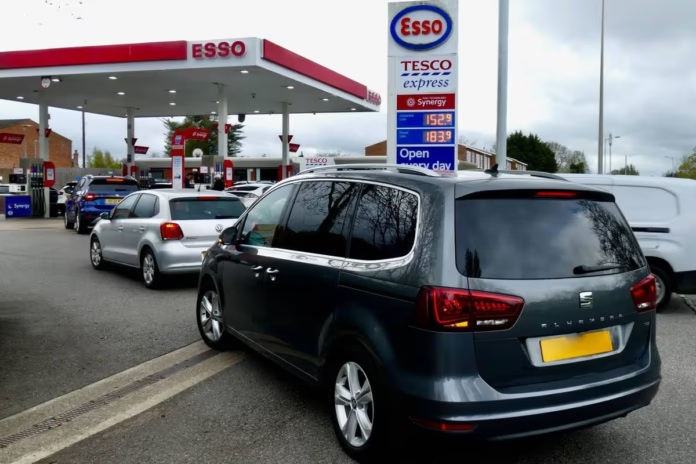
The UK fuel price increase crisis reached a new peak this week, and drivers across the country are being issued an urgent advisory: fill up your tank before 5PM on Thursday, April 9, 2026, or risk paying significantly more at the pump this weekend. The Mirror and Yahoo News have both reported this specific deadline, with analysts pointing to the combination of weekend pricing patterns, still-elevated wholesale diesel costs, and the delayed filtering of global oil market improvements to the forecourt. Petrol is now averaging 154.65p per litre and diesel has surged past 190p per litre levels not seen since the peak of the 2022 Ukraine energy crisis having risen by a staggering 20p and 45p respectively since mid-February 2026.
What Is Driving UK Fuel Prices to Historic Highs?
The root cause of the current UK petrol and diesel surge is geopolitical, not domestic. The conflict in Iran which began in late February 2026 triggered an immediate shock to global oil supply lines, with the Strait of Hormuz through which approximately one-fifth of the world’s oil supply passes either threatened or partially disrupted throughout March 2026.
Bloomberg reported on March 17, 2026 that unleaded petrol saw its largest single-week price increase since the 2022 Ukraine energy crisis, rising 4.6p in one week alone. By the week of April 7, 2026, the cumulative impact was clear:
- Petrol rose 5.9p in a single week to 154.65p per litre up 19.4p year-on-year
- Diesel rose 10.2p in a single week to 186.75p per litre up a record 44.2p year-on-year
- Diesel has now recorded double-digit weekly increases for five consecutive weeks — an unprecedented sustained surge
- The diesel-to-petrol price gap has widened to 32.10p per litre more than triple what it was before the crisis began
The RAC confirmed that the March 2026 increases were the biggest ever monthly fuel price jump in its recorded history surpassing even the Ukraine war price spikes of 2022.
Why 5PM Thursday Is the Critical Deadline
The specific advisory to fill up before 5PM on Thursday, April 9 is based on two converging factors that UK price experts have identified:
1. Weekend premium pricing: UK forecourt operators consistently apply higher margins on Thursday evenings through Sunday a well-established seasonal pattern confirmed by the RAC and fuel price monitoring services. Filling up on a weekday before the late afternoon shift change is consistently the cheapest window of the week.
2. Ceasefire delay effect: On Tuesday, April 7, the US and Iran announced a two-week conditional ceasefire agreement, with the Strait of Hormuz reopening to oil tanker traffic. While this triggered a notable drop in wholesale oil prices, experts are clear that it will take approximately two weeks for the full benefit of lower wholesale prices to filter through to the UK forecourt. In the short term, drivers should expect prices to remain elevated or even edge higher before they begin to fall.
RAC head of policy Simon Williams stated: “Both fuels are currently at their highest prices since late 2022. Although the conditional ceasefire may have alleviated some pressure on global oil prices, the outlook for UK drivers remains very uncertain. The most optimistic scenario in the short term is that fuel prices stabilise and hopefully plateau in the upcoming days.”
The Real Cost to UK Drivers: Weekly and Annual Impact
The scale of the price increase has had a direct and measurable impact on household budgets across the UK.
| Fuel Type | Price Per Litre (April 7, 2026) | Weekly Rise | Year-on-Year Rise | Extra Cost Per 50L Tank vs Feb | Extra Annual Cost (weekly fill-up) |
| Petrol | 154.65p | +5.9p | +19.4p | +£9.56 | £596/year |
| Diesel | 186.75p | +10.2p | +44.2p | +£22.65 | £1,178/year |
Diesel drivers are now paying £22.10 more per 50-litre fill-up compared to this time last year and over £1,178 more per year than before the Iran conflict began. At current rates, a diesel driver filling up weekly is spending approximately £93.38 per fill-up compared to £71 twelve months ago.
Could Fuel Prices Hit £2 Per Litre?
Expert opinion is divided but concerned. The Daily Express reported on April 1, 2026 that petrol prices could average £2 per litre by May if the Iran conflict escalates beyond its current ceasefire status. Multiple drivers have already reported paying in excess of £2 per litre at specific forecourts particularly for premium diesel and at motorway service stations.
Oil products analyst Colette Mason told the Daily Express: “Seeing petrol priced at £2 per litre is no longer a prediction; it’s happening at some stations, and the average is quickly approaching. My last refill of regular diesel cost me 197p per litre.”
A separate Express report from April 3 warned that £2-a-litre diesel could arrive nationally within days, as diesel’s wholesale base cost surpassed 102.67p per litre — up a staggering 58% in just seven weeks from 64.93p in mid-February.
How Prices Break Down: Where Your Money Goes
The breakdown of the current 154.65p petrol price and 186.75p diesel price reveals that geopolitical factors are now the dominant driver of cost — not government taxes.
| Component | Petrol (per litre) | Diesel (per litre) |
| Wholesale / base cost | 75.93p | 102.67p |
| Fuel Duty | 52.95p | 52.95p |
| VAT (20%) | 25.78p | 31.12p |
| Total at pump | 154.65p | ~186.75p |
Importantly, the UK government did not implement the planned fuel duty increase in line with inflation for 2026–27, as confirmed by HMRC’s published fuel duty rates. Fuel duty remains frozen at 52.95p per litre meaning the entire surge in pump prices has been driven by wholesale cost increases, not additional taxation.
How to Save Money on Fuel Right Now
Given the current price environment, the RAC and other motoring organisations are recommending the following immediate steps for UK drivers:
- Fill up before Thursday 5PM to lock in current prices before the weekend premium applies
- Use PetrolPrices.com or the AA Fuel Finder to locate the cheapest forecourt within your area in real time
- Avoid motorway services — premium pricing at motorway forecourts can exceed 200p per litre
- Reduce non-essential journeys where possible — the RAC specifically recommends reviewing trip frequency
- Maintain correct tyre pressure — under-inflated tyres increase fuel consumption by up to 3%
- Drive at steady speeds and avoid harsh acceleration — smooth driving can improve fuel economy by up to 15%
- Use fuel-efficient driving apps to plan the most economical routes

