

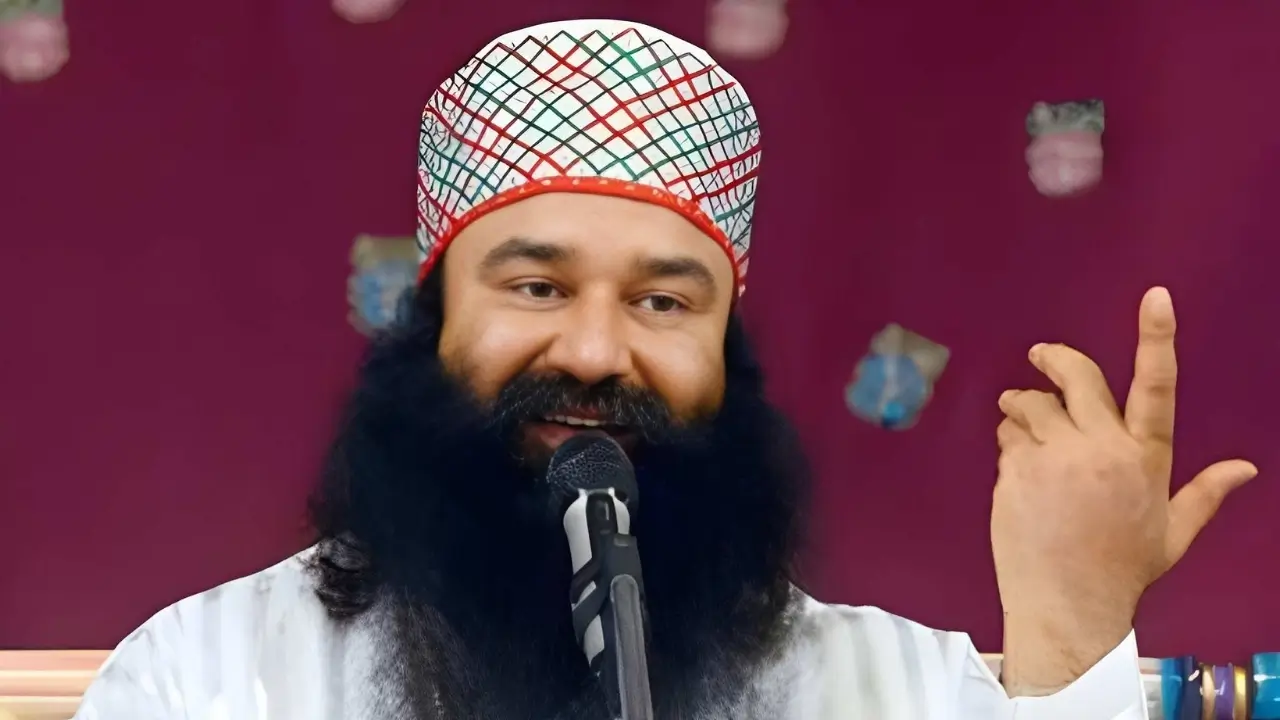
Dera Sacha Sauda (DSS) is a socio‑spiritual organisation and controversial religious sect based in Sirsa, Haryana, known for a mix of large‑scale social welfare activities and serious criminal cases involving its current leader. Founded in 1948 by Shah Mastana Balochistani as a centre for meditation and spiritual reform, it later expanded into a mass movement under Shah Satnam Singh and Gurmeet Ram Rahim Singh, attracting millions of followers across India and abroad.
Over time, Dera Sacha Sauda has projected itself as a “service to humanity” mission, with campaigns on blood donation, de‑addiction, village adoption and support for marginalised groups, while also building hospitals and welfare projects. At the same time, the sect’s image has been deeply damaged by criminal convictions of its present chief Gurmeet Ram Rahim Singh for rape and murder, as well as violent riots by followers after his 2017 conviction, making it one of the most debated spiritual organisations in contemporary India
Origin and History of Dera Sacha Sauda
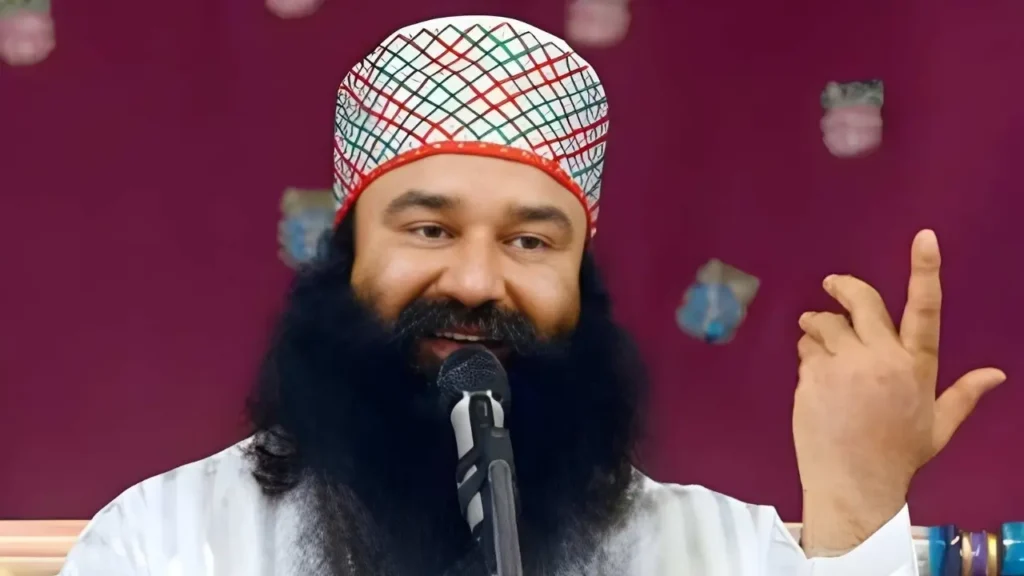
Dera Sacha Sauda was established on 29 April 1948 by Shah Mastana Balochistani, a disciple of Baba Sawan Singh of Radha Soami Satsang Beas, who was asked to work for spiritual upliftment in the Bagar region of present‑day Haryana and Rajasthan. He chose the outskirts of Sirsa as the main centre and named the new ashram “Dera Sacha Sauda” to signify a place where the “true deal” with God is made by exchanging sins for God’s name through meditation.
Initially, Shah Mastana focused on simple living, naam‑simran (meditation), moral conduct and non‑acceptance of donations, and he opened several small ashrams in North India to spread his teachings. After his death in 1960, leadership passed to Shah Satnam Singh Ji Maharaj, who consolidated the Sirsa base and expanded the follower base further, setting the stage for later mass‑scale activities.
Key Leadership Timeline Table
| Leader | Period | Key Role / Contribution |
|---|---|---|
| Shah Mastana Balochistani | 1948 – 1960 | Founder of Dera Sacha Sauda; established main Sirsa ashram; emphasised meditation and moral reform. |
| Shah Satnam Singh Ji Maharaj | 1963 – 1990 | Second spiritual head; expanded dera activities and ashrams; formalised organisational structure. |
| Gurmeet Ram Rahim Singh | 1990 – present (de facto while imprisoned) | Third and current chief; grew DSS into a large mass movement; later convicted of rape and murder, leading to major controversy. |
Structure, Headquarters and Reach
The headquarters of Dera Sacha Sauda is located on a large campus near Sirsa in Haryana, which has grown over decades from a small hut‑style ashram into a township‑like complex. The organisation reports having dozens of affiliated ashrams across India and claims followers in several countries, built largely through satsangs, mass gatherings and media outreach.
Inside the Sirsa campus, Dera Sacha Sauda runs religious congregations, accommodation for devotees and various service units under its own internal management. In addition, it operates welfare wings such as the Shah Satnam Ji Green ‘S’ Welfare Force, a volunteer corps used for disaster response and social campaigns.
Founders and Successors Table
| Aspect | Shah Mastana | Shah Satnam Singh | Gurmeet Ram Rahim Singh |
|---|---|---|---|
| Full Name | Mastana Balochistani | Shah Satnam Singh Ji | Gurmeet Ram Rahim Singh Ji Insan |
| Guru Lineage | Disciple of Baba Sawan Singh (Radha Soami Beas) | Successor chosen by Shah Mastana | Successor nominated by Shah Satnam Singh in 1990 |
| Main Focus | Establishing DSS, meditation, basic reform | Expansion and consolidation | Mass‑scale outreach, welfare drives, media persona, later embroiled in criminal cases |
Social Welfare Campaigns and Activities
Dera Sacha Sauda presents itself as a large socio‑spiritual welfare organisation, highlighting hundreds of campaigns described as “humanitarian works”. These include blood donation drives, tree plantations, cleanliness campaigns, de‑addiction programmes, village adoption and support initiatives for orphans, widows and the poor.
One notable initiative was its campaign to support former sex workers, where the dera encouraged devotees to marry consenting adult sex workers to help them leave the trade, followed by mass marriage ceremonies in Sirsa around 2010. The organisation has also promoted recognition and support for transgender people, and it publicly welcomed the 2014 Supreme Court judgment granting third‑gender status in India.
Humanitarian Works Table
| Type of Activity | Description |
|---|---|
| Health and Blood Donation | Regular mega blood donation camps and eye/health check‑ups promoted as “life‑saving” service. |
| Environment | Tree plantation, cleanliness drives and anti‑pollution campaigns organised through volunteer groups. |
| Social Rehabilitation | Mass marriages for former sex workers and support programmes for widows and orphans. |
| De‑addiction | Campaigns urging followers to give up alcohol, drugs and tobacco. |
| Transgender Support | Public advocacy for legal and social recognition of Hijras and transgender people, aligned with court rulings. |
Gurmeet Ram Rahim Singh: Role and Image Shift
When Gurmeet Ram Rahim Singh became chief in 1990, Dera Sacha Sauda’s public profile changed significantly, with a visible increase in mass rallies, media productions and personal branding of the leader. He cultivated an image as a “rockstar godman,” releasing films, music albums and stage shows that blended religious messages with entertainment and spectacle.
Under his leadership, the dera claims to have expanded to tens of millions of followers, drawing large crowds especially from Haryana, Punjab and Rajasthan. However, the same period also saw mounting allegations about abuse of power, financial opacity and coercive control within the organisation, eventually leading to formal criminal cases.
Controversies and Criminal Cases
Dera Sacha Sauda’s reputation took a severe hit when a 2002 anonymous letter from a woman follower alleged that Gurmeet Ram Rahim had repeatedly raped her, prompting a Central Bureau of Investigation (CBI) probe. On 25 August 2017, a special CBI court in Panchkula convicted him of raping two sadhvis, leading to a 20‑year prison sentence.
Later, he was also convicted and sentenced to life imprisonment for the 2002 murder of journalist Ram Chander Chhatrapati, who had reported on alleged abuses inside the dera and was shot dead near his home. These convictions, combined with other ongoing cases, transformed the public narrative around Dera Sacha Sauda from a welfare‑centric sect to a symbol of the dangers of unchecked charismatic authority
Major Cases Table
| Case Type | Key Details | Outcome |
|---|---|---|
| Rape of Two Sadhvis | Allegations by women followers that the chief sexually assaulted them in the Sirsa dera. | CBI court conviction in 2017; 20‑year prison sentence. |
| Murder of Journalist Ram Chander Chhatrapati | Journalist shot in 2002 after exposing alleged abuses; case later probed by CBI. | Life imprisonment for Gurmeet Ram Rahim and associates in 2019. |
| Other Allegations | Reports of castration of followers and other serious accusations reported by media. | Various cases at different legal stages over the years. |
2017 Riots and Law‑and‑Order Impact
After the 2017 rape conviction, thousands of Dera Sacha Sauda followers gathered near the court in Panchkula and in parts of Haryana and Punjab. Once the verdict was announced, violent clashes, arson and vandalism broke out, leading to dozens of deaths, injuries and large‑scale damage to property despite security deployment.
Authorities later conducted operations to clear the Sirsa headquarters, recover weapons and identify those involved in the violence, bringing further scrutiny on the dera’s internal security arrangements and control over followers. Consequently, the 2017 events became a key example in debates about the state’s handling of powerful religious cults and their capacity to challenge law and order
Dera Sacha Sauda Institutions and Hospital
Dera Sacha Sauda and its associated trusts run various institutions branded as part of their welfare mission, including schools and health facilities. Among these, a 400‑bed multi‑specialty hospital in Sirsa, named Shah Satnam Ji Speciality Hospital, is often highlighted as a major project aimed at providing medical services to the region.
The dera says that such institutions are funded and staffed with the help of volunteers and donations, and that they reflect the founder’s message of serving humanity alongside spiritual practice. However, critics note that these welfare projects exist alongside serious concerns about leadership conduct and organisational transparency, making evaluations of DSS complex and contested.
Also Read: Madhukar Dattatraya Deoras Biography: 100-Year Legacy